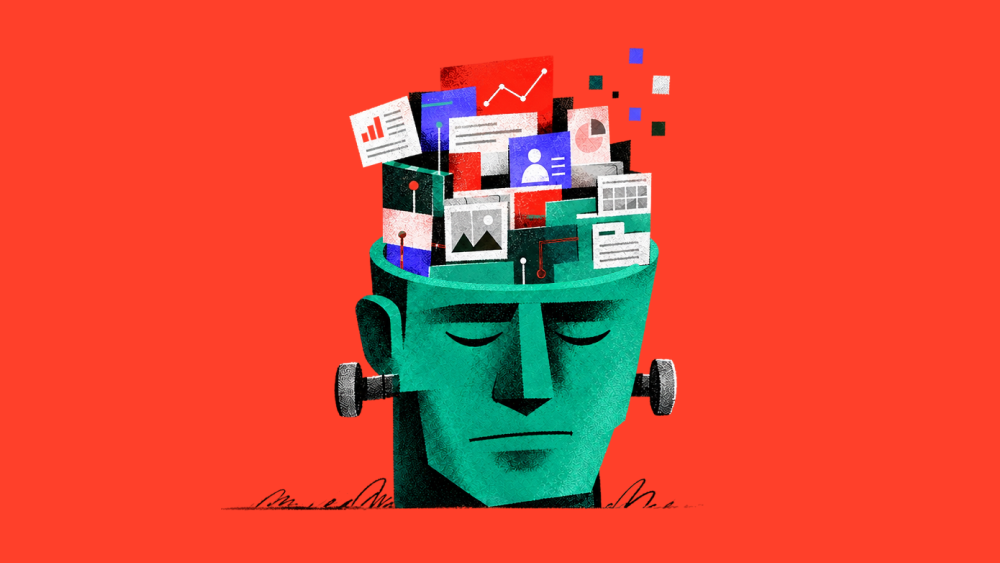


Frankenstein’s monster was stitched together from different parts. Somewhere online, a digital version of you is being assembled in much the same way.
One piece comes from your shopping habits. Another from your social media profiles. Add your address, phone number, browsing interests, and public records, and suddenly there’s a surprisingly detailed picture of who you are.
The companies assembling these profiles are called data brokers. And unlike the monster in Mary Shelley’s famous story, these digital creations aren’t confined to fiction. They’re being bought, sold, and shared in the real world.
Here’s how data brokers collect your information, why it matters for your privacy, and how you can start taking it back.

What Are Data Brokers, and What Do They Know About You?
Data brokers are companies that collect personal information from different sources, combine it into profiles, and sell or share that information with other businesses and organizations.
Think of them as digital collectors. Each piece of information might seem harmless on its own, but stitched together, those details can reveal much more about your life than you intended.
Depending on the broker and its sources, a profile might include:
- Your name, age, phone number, and home address
- Previous addresses and possible family members
- Shopping habits and interests
- Public records, including certain property and court records
- Location information and online activity
- Inferred interests or characteristics based on your behavior
Some data brokers specialize in advertising and marketing. Others, including people-search sites, make personal details easier for individuals to find.
And that’s where the privacy concerns become especially personal.
How Do Data Brokers Get Your Personal Information?
You don’t necessarily have to give a data broker your information directly. Much of it comes from everyday activities and sources you may not realize are being collected.
- Public records: Property records, certain court documents, and other publicly available information can provide details about where you’ve lived and other aspects of your life.
- Websites and apps: Some websites and apps collect information about your activity and share it with advertising partners or other third parties, depending on their privacy practices and your settings.
- Shopping and loyalty programs: Purchase histories and loyalty programs can reveal your interests, preferences, and buying habits. Some businesses share or monetize insights derived from that information.
- Social media: Public profiles, posts, and other information you share online can help brokers connect details about your identity.
- Other data brokers: Personal information can also be purchased, combined with additional records, and sold again.
This process is sometimes called data aggregation, which simply means gathering information from multiple sources and combining it into one larger collection.
The result is your own Frankenstein data profile, assembled piece by piece, often without you knowing how much information has been collected.
Why Is It So Hard to Remove Your Information From Data Brokers?
Finding your personal information online is often easier than getting it removed.
A 2025 investigation by CalMatters and The Markup examined 499 data broker websites registered in California. Reporters found that 35 had code preventing certain privacy or deletion pages from appearing in search engine results.
That made it harder for people to find the instructions needed to request removal of their information.
Following the investigation, several companies changed their practices. But the findings highlighted a broader problem: exercising your privacy rights can take time, persistence, and a surprising amount of detective work.
Even when a broker offers an opt-out process, you may need to locate its privacy page, verify your identity, submit a request, and follow up.
And because different brokers collect information from different sources, removing your data from one website doesn’t necessarily remove it from others.
Are Data Brokers Legal?
Yes, data brokering is generally legal in the United States, but companies must follow applicable privacy laws and restrictions on how certain information is collected, used, and shared.
Privacy protections vary depending on where you live, what information is involved, and how a company uses it.
Some states give residents rights to access, delete, or opt out of certain uses of their personal information.
California, for example, has introduced a centralized tool called the Delete Request and Opt-out Platform (DROP), which allows eligible residents to submit deletion requests to registered data brokers through one service.
However, privacy laws have exceptions, and not every company or category of information is covered.
The important takeaway? You may have more control over your personal information than you realize, but understanding and exercising those rights can still require effort.
How to Remove Your Personal Information From Data Brokers
You can’t always stop personal information from being collected, but you can take steps to reduce what’s available.
- Search for your personal information.
Search your name along with your city or state to see what information appears on people-search websites. Look for exposed addresses, phone numbers, and other personal details.
- Request removal from data broker websites.
Find each site’s privacy or opt-out page and follow its removal instructions. Depending on the broker and applicable law, you may be able to request deletion or limit the sale of your information.
- Check your privacy rights.
Look up the privacy laws in your state and whether you qualify for additional deletion or opt-out options. California residents can also visit the state’s official DROP website.
- Limit what you share online.
Review your social media privacy settings, reconsider unnecessary app permissions, and be selective about sharing personal details through online forms, quizzes, and sweepstakes.
- Check again periodically.
Removing your information once may not be enough. Data brokers can acquire new records, and your information may appear again on other sites.
How McAfee Personal Data Cleanup Helps Remove Your Information
Removing your personal information from data brokers can feel like tracking down every piece of Frankenstein’s monster after it’s already been assembled.
That’s where McAfee Personal Data Cleanup can help.
Instead of spending hours searching for data brokers and navigating individual opt-out pages, Personal Data Cleanup helps you identify where your personal information may be exposed and take steps to remove it.
Depending on your plan, McAfee Personal Data Cleanup can help you:
- Find exposed personal information: Scan supported data broker and people-search sites for your details.
- Simplify removal requests: Get guidance on how to request removal from sites that have your information.
- Save time with automatic removal: Eligible plans can submit removal requests to supported sites on your behalf.
- Keep working toward greater privacy: Address information held by multiple supported sites rather than relying on a single opt-out request.
McAfee Personal Data Cleanup is available with eligible McAfee+ plans, with features varying by subscription.
While no service can guarantee that every copy of your information disappears from the internet, reducing the amount of personal data available through brokers can make it harder for strangers and scammers to find details about you.
Why Should You Remove Your Data From People-Search Sites?
Data broker profiles aren’t just a concern because advertisers might know your shopping preferences.
Publicly accessible personal details can also help scammers make their messages more convincing.
For example, someone who knows your name, address, relatives, or previous locations could use those details to impersonate a trusted organization or create a personalized phishing message.
Reducing your exposed information can help limit the details available for these kinds of scams. It may also reduce unwanted marketing contacts, depending on where your information is held.
It’s another reason to think of personal data cleanup as an ongoing privacy habit, not just a one-time task.
Don’t Let Your Digital Frankenstein Get Out of Control
Your digital identity is made up of countless little details. On their own, they may not seem particularly revealing. But when data brokers stitch them together, they can create a profile that tells a much bigger story about you.
The good news is that you can take steps to limit what’s collected, remove information from supported sites, and make your personal details harder to find.
This Halloween, the monster worth keeping an eye on might just be the one made from your own data.
Take more control of your online privacy with McAfee Personal Data Cleanup, available in eligible McAfee+ plans.
Stay Updated
Follow us to stay updated on all things McAfee and on top of the latest consumer and mobile security threats.