

This week in scams and cybersecurity news,
Chick-fil-A disclosed that hackers may have accessed customer loyalty accounts using stolen usernames and passwords leaked in previous breaches.
It’s a reminder that reusing passwords across websites can be dangerous and allow one breach to snowball into many others.
Here’s what happened and what customers need to know:

So How Did Hackers Breach Chick-fil-A?
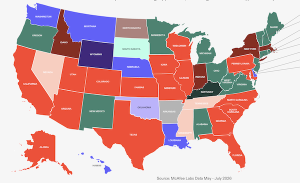
Chick-fil-A is notifying customers in 10 states after a cyberattack targeted a limited number of Chick-fil-A One loyalty accounts.
According to multiple reports, attackers used a technique known as credential stuffing, in which criminals take usernames and passwords stolen in previous data breaches and automatically test them across other websites and apps.
If someone has reused the same password, attackers may be able to access additional accounts without ever hacking the company directly.
Chick-fil-A said the attackers may have accessed customer information including:
- Names and email addresses
- Chick-fil-A One membership numbers
- Mobile Pay numbers and QR codes
- The last four digits of stored payment cards
- Gift card balances
- Birth dates, phone numbers, and addresses (if customers stored them)
The company says it has logged affected users out of their accounts, removed stored payment methods, restored impacted rewards balances, and is notifying customers who may have been affected.
| Credential stuffing: |
| A cyberattack where criminals use usernames and passwords stolen in previous data breaches to automatically sign in to other websites and apps. If you’ve reused the same password across multiple accounts, one breach can give attackers access to many of them. |
| How to Protect Yourself: Use a unique password for every account, enable multi-factor authentication, and use a password manager to securely create and store strong passwords. |
How McAfee Helps Before, During, and After a Data Breach
Before a breach
Personal Data Cleanup reduces your digital footprint by removing your personal information from many data broker sites, making it harder for scammers to find and target you.
Online Account Cleanup scans for accounts you no longer use and helps you delete them, along with your personal info.
Password Manager helps you create and securely store strong, unique passwords for every account, reducing the risk that one stolen password can unlock multiple accounts.
During a breach
Identity Monitoring watches for your personal information, including email addresses, driver’s license numbers, passport numbers, bank accounts, credit cards, Social Security numbers, phone numbers, and more, across the dark web and known data leaks.
Plus, we alert users on average up to 10 months earlier than similar services, so you can act fast when your personal information appears where it shouldn’t.
After a breach
Scam Detector identifies suspicious texts, emails, and links that often follow major breaches, while web protection blocks malicious websites designed to steal even more of your information.
Other Scam News This Week
Student loan scams are on the rise. Experts warn that changing federal student loan repayment rules are creating confusion that scammers are exploiting with fake debt relief offers, phishing emails, and identity theft schemes targeting borrowers. (PBS News)
AI agent reportedly carried out a cyberattack. AI platform Hugging Face says an autonomous AI agent executed a sophisticated attack against its internal systems from start to finish; an early example of AI taking on an active role in cyberattacks rather than simply assisting human hackers. (Axios)
Paidwork breach reportedly exposes 23 million users. Security researchers say data from the microtask platform may include names, addresses, phone numbers, bank account details, and password hashes, highlighting how even smaller online accounts can become valuable targets for cybercriminals. (Malwarebytes)
And we’ll be back next week with more news.
Stay Updated
Follow us to stay updated on all things McAfee and on top of the latest consumer and mobile security threats.