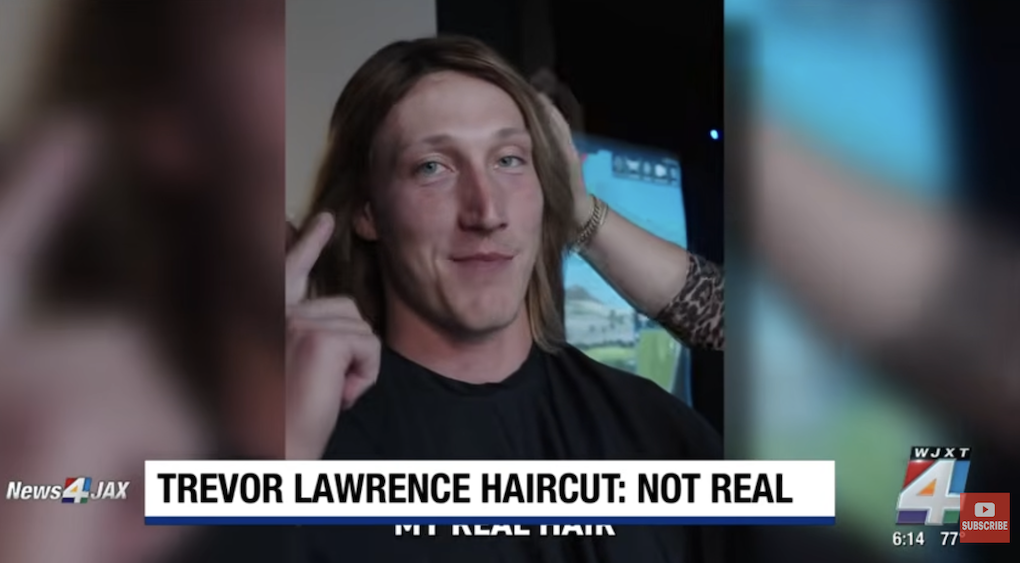


Trevor Lawrence didn’t actually cut his hair.
But millions of people thought he did.
The Jacksonville Jaguars recently released a viral schedule announcement video that appeared to show their star quarterback chopping off his signature long blond hair. The clip spread quickly online, pulling in nearly 4 million views on X and triggering reactions from fans, friends, and even Lawrence’s grandmother.
The catch? It wasn’t real.
The team later confirmed the moment was partially staged and partially AI-generated, and part of a joke. Even Lawrence admitted the fake looked convincing.
And that’s exactly the problem.
What’s a harmless sports prank here is also a reminder of how realistic AI-generated videos have become and how easily scammers can use the same technology to fool people online.

Why Deepfake Scams Are Growing Fast
Deepfake scams use artificial intelligence to clone someone’s face, voice, or likeness to create fake videos, ads, phone calls, or social media posts that appear real.
And increasingly, scammers are using celebrities, influencers, athletes, and trusted public figures to do it.
According to McAfee research:
- 72% of Americans say they’ve seen fake celebrity or influencer endorsements online
- 39% say they’ve clicked on one
- 1 in 10 victims lost money or personal data
- Average losses reached $525 per person
Why does it work? Because scammers know familiarity lowers our guard.
When people see a recognizable face, whether it’s Trevor Lawrence, Taylor Swift, Tom Hanks, or a favorite influencer, they’re more likely to trust what they’re seeing before stopping to question it.
From Funny Sports Videos to Real Financial Scams
The Jaguars video was meant as entertainment.
But scammers are already using the same technology for fraud.
McAfee researchers recently identified a growing wave of celebrity deepfake scams involving fake giveaways, investment schemes, romance scams, and fraudulent ads.
Some recent examples include:
- Fake videos of TV personalities promoting “miracle” products
- AI-generated celebrity investment ads pushing crypto scams
- Romance scammers using deepfake video calls to impersonate celebrities
- Fake emergency videos designed to create panic and urgency
In one high-profile case, a woman reportedly lost nearly $900,000 to scammers impersonating Brad Pitt using AI-generated images and messages.
The technology is getting good enough that “seeing is believing” no longer applies online.
How to Spot a Deepfake Scam
Here are some of the biggest red flags to watch for:
| Red Flag | What to Watch For |
| Emotional urgency | “Act now,” “limited time,” or panic-driven messaging |
| Too-good-to-be-true offers | Free giveaways, investment promises, miracle products |
| Slightly unnatural video details | Off-sync lips, robotic speech, strange blinking, awkward lighting |
| Fake verified-looking accounts | Usernames with extra characters or copied profile photos |
| Requests for money or personal data | Especially through DMs, crypto links, gift cards, or wire transfers |
How McAfee Helps Protect You
AI scams are evolving fast, but layered protection can help you stay ahead of them.
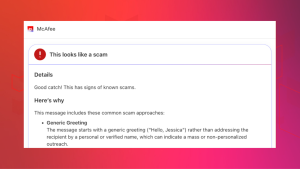
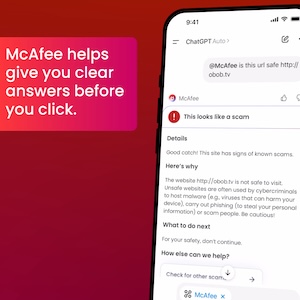
McAfee’s Scam Detector, included in all core McAfee plans, can help identify suspicious links, messages, videos, and deepfake-related scams across texts, email, and social platforms before you click.
Additional protections like Web Protection and Identity Monitoring can also help reduce your risk if scammers attempt to steal your credentials or personal information.
Other Scam News This Week
Charter Confirms Data Breach
Charter Communications confirmed a data breach tied to a third-party vendor, exposing customer information. Whenever breaches like this happen, scammers often follow up with phishing emails and fake customer support calls pretending to help affected users.
7-Eleven Data Breach Reports Surface
Reports surrounding a potential 7-Eleven data breach are circulating online. Consumers should stay alert for fake password reset emails, loyalty account phishing attempts, and scam texts impersonating retailers.
‘Tom Selleck’ Celebrity Scam Highlights Rise of AI Impersonation Fraud
A tragic case tied to an alleged Tom Selleck impersonation scam is drawing attention to the growing threat of celebrity AI fraud. Experts warn that scammers are increasingly using fake celebrity profiles, AI-generated messages, cloned voices, and deepfake videos to build trust with victims online, especially older adults.
The case underscores how emotionally manipulative and financially devastating these scams can become.
Hackers Are Exploiting AI Chatbot “Personalities”
Researchers told The Verge that attackers are beginning to manipulate chatbot behavior and personalities to trick users into unsafe actions, highlighting growing concerns around AI trust and social engineering.
Fake Inheritance Email Scams Are Getting More Convincing
A phishing scam making headlines this week uses fake inheritance notices and “unclaimed estate” emails to pressure victims into sharing personal information.
Unlike older scam emails full of spelling mistakes, newer versions look polished and professional, often using legal-sounding language, fake reference numbers, and urgent 48-hour deadlines designed to trigger panic before people stop to verify the message.
McAfee Safety Tips This Week
The next deepfake won’t always look fake. That’s what makes these scams dangerous.
Here are some practical, go-to tips
- Pause before clicking celebrity endorsements or viral videos
- Verify accounts through official sources before trusting promotions
- Never send money or personal data based on social media messages alone
- Be skeptical of urgency, especially “limited time” threats
- Use AI-powered scam protection tools to help identify suspicious content before you engage
And we’ll be back next week with more.
Stay Updated
Follow us to stay updated on all things McAfee and on top of the latest consumer and mobile security threats.