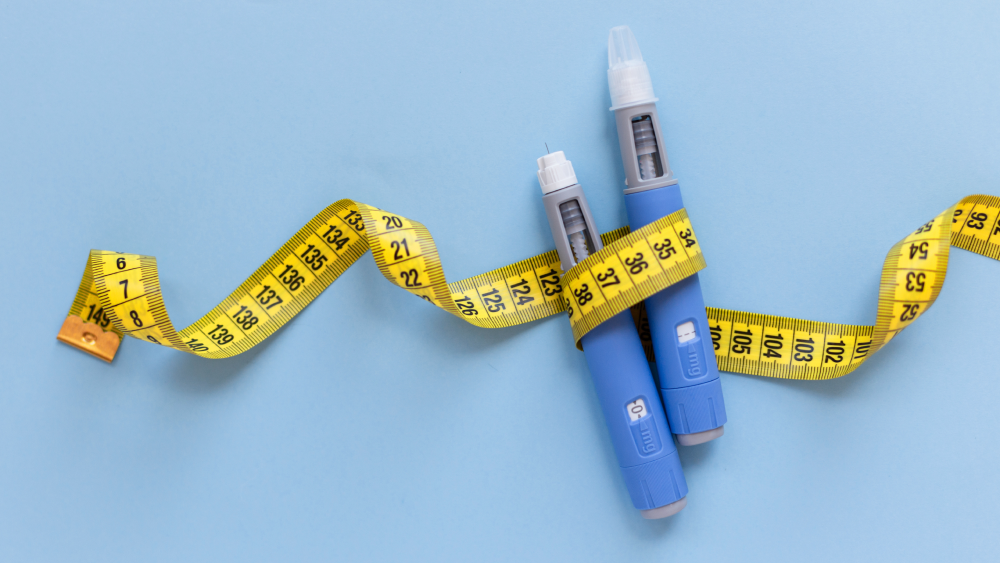


“I thought I was getting a trusted weight-loss medication, but instead, I ended up sick and scammed. I never imagined something like this could happen to me.”
Fiona, like many others, turned to Ozempic as a way to lose weight. With high demand making it difficult to find and prices soaring, she turned to an online pharmacy she found on social media. After placing an order, she received the medication and began taking it, only to experience severe side effects, including migraines, dizziness, and nausea.
“When my symptoms got worse, I knew something was wrong,” she told McAfee. Concerned, she sought professional advice. “A doctor friend showed me what real Ozempic packaging looks like—and it was nothing like what I had received.”
“I was putting something in my body that I thought was safe. Instead, I was taking an unknown substance that made me seriously ill,” she told McAfee. “That’s terrifying.”
When she reached out to the pharmacy for a refund, they cut off all communication. Nearly a year later, Fiona still avoids online shopping altogether and hopes her experience will warn others to research online pharmacies carefully before making a purchase.
“As soon as I questioned the pharmacy about the product, they vanished. No refund, no explanation. Just silence. That’s when I knew I had been completely scammed.”
Unfortunately, Fiona’s story is one of many as surging interest in GLP-1 medications spurs scammers into action.
If you’ve searched for GLP-1 medications online, you’ve probably noticed how crowded and confusing it’s become. Between ads, telehealth offers, and social media posts promising easy access, it can be hard to tell what’s real.
That confusion isn’t accidental. McAfee’s researchers previously reported a wave of fake pharmacy sites and scam messages designed to catch people in exactly that moment of uncertainty.
What are GLP-1 medications?
GLP-1 (glucagon-like peptide-1) medications are prescription drugs that help regulate blood sugar and appetite. Doctors have used them to treat Type 2 diabetes for nearly two decades, and some have also been approved to support weight management.
Because these medications affect insulin levels and digestion, they require medical supervision and a valid prescription. There is currently no legitimate over-the-counter version that works the same way.
Why GLP-1 scams are exploding
GLP-1 drugs have moved from a specialized medical treatment to a mainstream topic almost overnight, with a recent poll finding that 1 in 8 U.S. adults say they are currently taking a GLP-1 for weight loss.
Whenever high demand, high prices, and limited supply collide online, scammers move in
McAfee’s threat researchers have previously found that phishing attempts and fake websites tied to GLP-1 drugs increased by more than 180% during periods when interest in these medications surged. Hundreds of risky domains and hundreds of thousands of scam messages have been linked to searches for weight-loss drugs.
At the same time, consumer watchdogs such as the Better Business Bureau (BBB) report a spike in complaints from people who clicked on fake ads, visited fraudulent pharmacies, or received scam texts promising instant access to GLP-1 prescriptions.

Common GLP-1 scams to watch out for
1. AI-generated celebrity and doctor endorsements
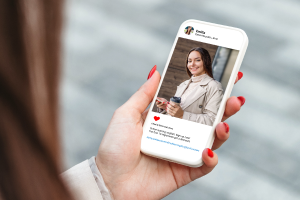
Scammers are using artificial intelligence to create realistic-looking videos and images of public figures and medical professionals promoting weight-loss products. One recent incident saw a fake, AI Oprah selling scam weight loss drugs
These ads often appear in social media feeds and look legitimate, but the endorsements are fabricated.
The goal is to build trust quickly with a familiar face and then push people toward a purchase page. From there, you’re left with a fake product, or no product at all, and your information exposed.
Red flag: Any ad claiming a celebrity or doctor is selling GLP-1 drugs through a link or social media page.
2. Fake prescription texts and emails
Some scams arrive as urgent messages saying you are “approved” or “eligible” for GLP-1 treatment. These messages typically include a link to a fake medical website that collects personal, insurance, or payment information.
Red flag: Real prescriptions are not issued through unsolicited texts, emails, or DMs.
3. Fake online pharmacies
Fraudulent websites advertise GLP-1 medications at discounted prices. After payment, victims may receive nothing, diluted products, or face repeated unauthorized charges.
Consumer reports describe sites that look professional but provide only chat-box support and ignore cancellation requests.
Red flag: Pharmacies that don’t require a prescription or don’t list a physical U.S. address and phone number.
4. Subscription traps
Some scam offers quietly enroll buyers in recurring billing. Be wary of a “company” trying to offer a minimal “membership” or free “trial” with plans locking you into larger, more expensive future subscription plan without your clear consent.
Red flag: Vague billing terms or hidden subscription language.
5. Missing or fake shipments
Some scam sites provide tracking numbers that never update, claim packages were lost, or ask for more shipping fees … while continuing to charge customers.
Red flag: No real customer service and no way to cancel or dispute orders.
What makes these scams especially dangerous
Unlike many online scams, GLP-1 fraud carries real health risks.
Some victims report receiving substances that do not match what was advertised, including mislabeled or unverified injectables.
Because GLP-1 medications affect blood sugar and metabolism, taking the wrong substance or dosage can be dangerous.
In addition to the medical risks, illegitimate storefronts pose a real threat to your private information. During your purchase, you may be tricked into sharing our address, contact info, payment details, and insurance information.
How to safely pursue GLP-1 treatment
If you’re considering GLP-1 medications for health or weight management, these steps can help reduce risk:
Step 1: Start with a licensed healthcare provider
Only a doctor or licensed medical professional can determine if GLP-1 treatment is appropriate for you.
Step 2: Use verified pharmacies
If you use telehealth or online pharmacies, confirm they are properly licensed and require a prescription.
Step 3: Research before you pay
Look up unfamiliar pharmacies through trusted consumer-protection resources before entering payment or insurance information. If you’re in doubt, it’s better not to share any personal info.
Step 4: Be skeptical of miracle claims
There is no over-the-counter or legal “natural GLP-1,” patch, salt trick, or supplement that produces the same effect as prescription medication.
What to do if you think you were targeted:
If you clicked a link, entered information, or made a purchase:
- Stop communicating with the seller
- Monitor your bank and credit accounts for unusual activity
- If you notice suspicious charges, contact your bank directly
- Change any passwords you shared
- Run a security scan on your device (here’s our free trial)
- Report the incident to consumer-protection agencies
Reporting helps stop the same scams from spreading to others. This is where you can get more information from the FDA and report scams.
How to Spot a Fake GLP-1 Weight-Loss Drug If You’ve Already Bought One
If you’ve already ordered a GLP-1 weight-loss drug and something feels off, trust that instinct. Counterfeit GLP-1 products are increasingly convincing at first glance, but many show clear warning signs once you look closely.
Here’s what to check:
Packaging and Label Red Flags
Poor print quality or spelling errors
Examine the carton, label, and insert carefully. Misspelled words, inconsistent fonts, blurry printing, or incorrect manufacturer details are common signs of counterfeit medication.
Packaging that looks tampered with or unfamiliar
Authentic GLP-1 medications come in sealed, tamper-resistant packaging. If the box appears opened, resealed, relabeled, or noticeably different from what you’ve received from a legitimate pharmacy before, stop using it and contact a pharmacist.
Incorrect or missing language
Medications sold legally in the U.S. should include labeling and instructions in English. Missing inserts or foreign-language packaging can be a red flag.
Unusual product form
Be especially cautious of GLP-1 products sold as powders in vials that require mixing. These formulations are not authorized and have been linked to serious health risks.
Check Lot and Serial Numbers
Most legitimate GLP-1 medications include lot numbers or serial information that can be verified.
If your product includes these details, compare them against information published by the manufacturer or alerts from regulators. If the numbers don’t match, or are missing entirely, that’s a warning sign.
What to Do If You’re Unsure
If anything about your medication doesn’t match what you expect:
- Stop using the product
- Contact a licensed pharmacist or healthcare provider
- Avoid purchasing refills from the same source
When it comes to injectable medications, uncertainty isn’t something to push through. If you can’t confidently verify what you have, it’s safer to assume it may not be real.
Final Thoughts
Wanting to get healthier in the new year is a good thing. Falling for fake prescriptions, AI-generated endorsements, or fraudulent pharmacies is not.
McAfee is here to help keep your devices, identity, and finances safe while you focus on your goals in 2026.
Frequently Asked Questions
For clarity, and because these questions come up often, here’s the straightforward explanation:
| Are GLP-1 drugs available without a prescription? No. Legitimate GLP-1 medications require a prescription and medical oversight. |
| Are social media GLP-1 ads real? It depends. While there are certainly real ads out there, many are fake. AI-generated celebrity and doctor endorsements are commonly used in scams. So be wary and verify who is behind a post. |
| Are GLP-1 patches, gummies, or “salt tricks” legitimate? No over-the-counter product works the same way as prescription GLP-1 medication. |
| Why do scammers use crypto or payment apps? These payment methods are harder to reverse, which makes them attractive for fraud. |
Stay Updated
Follow us to stay updated on all things McAfee and on top of the latest consumer and mobile security threats.