

A determined cybercriminal can find ways to guess or predict an individual’s Social Security number, which increases the risk of identity theft for all of us.
In 2009, researchers from Carnegie Mellon University revealed that a reliable method for predicting Social Security numbers was discovered using information from social networking sites, data brokers, voter registration lists, online white pages, and the publicly available Social Security Administration’s Death Master File.
Originally, the first three numbers on a Social Security card represented the state in which a person had initially applied for their card. Numbers started in the Northeast and moved westward. This meant that people born on the East Coast were assigned the lowest numbers and those born on the West Coast were assigned the highest numbers. Before 1986, people were rarely assigned a Social Security number until age 14 or so, since the numbers were used for income tracking purposes.
The Carnegie Mellon research
The Carnegie Mellon researchers were able to guess the first five digits of a Social Security number on their first attempt for 44% of people born after 1988. For those in less populated states, the researchers had a 90% success rate. In fewer than 1,000 attempts, the researchers could identify a complete Social Security number, “making SSNs akin to 3-digit financial PINs.” The researchers concluded, “Unless mitigating strategies are implemented, the predictability of SSNs exposes people born after 1988 to risks of identity theft on mass scales.”
To address this security gap, the Social Security Administration in 2011 changed the way SSNs are issued by randomizing number assignment to make predicting patterns more difficult. While this is certainly an accomplishment, the potential to predict Social Security numbers is the least of our problems. Social Security numbers can be found in unprotected file cabinets and databases in thousands of government offices, corporations, and educational institutions, exposing people to identity theft and other related risks. With the growing losses from all identity theft cases, protecting SSNs is a serious concern.
Your SSN: It’s more than a string of numbers
Your Social Security number might be only nine digits, but in the wrong hands, it can act like a master key that unlocks far more. It can reveal details about your life, serving as a powerful linking tool for cybercriminals to access or verify other personal details and build a more comprehensive profile of your identity.
- Credit and financial information: When combined with other identity elements, such as your name and address, your SSN can help criminals access your credit reports and financial accounts. Fortunately, legitimate financial institutions require multiple forms of verification beyond your SSN, including security questions, account numbers, and authentication codes sent to your registered devices.
- Government benefits access: Your SSN serves as a key identifier for Social Security benefits, Medicare, unemployment claims, and tax refunds. Criminals may attempt to file fraudulent claims using your SSN, but the Social Security Administration has implemented stronger identity verification requiring additional documentation and in-person visits for many services.
- Employment records: While your SSN identity theft risk includes employment fraud, most employers now use E-Verify and require physical documentation such as driver’s licenses and passports. Your SSN alone typically isn’t enough for someone to successfully impersonate you for employment, though it can be part of a broader identity theft scheme.
- Medical records and insurance: Healthcare providers use SSNs to verify insurance coverage and access medical histories. Criminals have attempted medical identity theft, but most healthcare systems now require photo ID, insurance cards, and often biometric verification to access sensitive medical information and services.
Your stolen SSN could be on the dark web
Your Social Security number is one of your most private identifiers, but in today’s data economy, it can quietly slip into criminal marketplaces on the dark web. Even if you’re careful with your information, you can’t control how organizations protect the data they collect from you. These exposures often result from data breaches, scams, or systems you had to trust — employers, hospitals, banks, schools, and even government agencies. When your SSN shows up there, it’s usually bundled with your other information—name, birthdate, address—making it far more valuable and dangerous than a random number on its own.
Being familiar with the common paths that take your SSN to the dark web will help you recognize and avoid the risks earlier, and act fast if your information is ever compromised.
- Third-party data breaches: Your SSN could end up on the dark web when companies, healthcare providers, or government agencies you’ve shared it with experience security breaches. Recent high-profile incidents have exposed millions of records, including major credit reporting agencies and healthcare systems.
- Device malware and info-stealing attacks: Cybercriminals use sophisticated malware that can capture data as you type, including Social Security numbers entered on tax forms, job applications, or financial websites. Banking trojans and keyloggers specifically target sensitive information for sale on illicit markets.
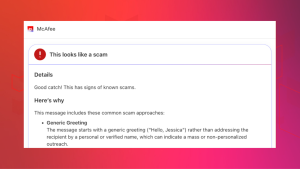
- Phishing schemes and social engineering: Scammers impersonate trusted organizations like the IRS, your bank, or employers and create convincing fake websites, emails, or phone calls that trick you into “verifying” your SSN. They will claim your SSN has been “suspended” or “compromised,” threaten you with arrest or legal action, or request to verify your SSN for any reason. Pressure tactics and demands for immediate action are classic red flags.
- Compromised data brokers: Data brokers legally collect and sell personal information, gathered from public records, social media, and other sources, creating comprehensive profiles that become valuable targets for cybercriminals. When their systems are breached, your SSN and other details can be exposed.
- Social engineering of service providers: Criminals sometimes target employees at companies that handle your information, manipulating them to gain unauthorized access to customer records. Call center representatives, healthcare workers, or government employees may be tricked into providing access to systems containing SSNs.
- Account takeovers: Account takeovers occur when criminals gain access to your existing accounts through stolen passwords, security question answers, or two-factor authentication bypasses. Once inside accounts at financial institutions, healthcare providers, or government services, they can view stored SSNs or use account access to request more information.
- Mailbox theft: Physical mail theft remains a surprisingly effective way for criminals to guess or find documents containing your SSN. Tax documents, insurance statements, pre-approved credit offers, and government correspondence often contain complete or partial Social Security numbers that help criminals piece together your identity.
- Public records: Public records databases, court filings, property records, and voter registration information sometimes contain complete or partial SSNs. While efforts have been made to remove SSNs from public records, older documents and some current filings may still expose this information.
The doors that open with your Social Security Number
Once criminals have your SSN, they can do a range of fraudulent activities that can compromise your relationships, health, career, financial standing, and even your freedom. A single SSN can fuel everything from credit and loan scams to tax fraud, medical identity theft, and even long-term schemes like synthetic identities. Here are some examples:
- New account fraud: Criminals could use your SSN and other personal information to open credit cards, loans, or bank accounts in your name. This can destroy your credit score and leave you responsible for fraudulent debt that can take years to resolve.
- Tax refund fraud: Scammers file fake tax returns using your SSN to claim your refund before you file your legitimate return. This leaves you dealing with IRS complications and delays in receiving your actual refund, often extending into the following tax year.
- Medical identity theft: When someone uses your SSN to receive medical care, prescription drugs, or submit insurance claims, it can contaminate your medical records with incorrect information and exhaust your insurance benefits. This puts your health at risk and can result in thousands in fraudulent medical bills.
- Government benefits fraud: Criminals apply for unemployment benefits, Social Security benefits, or other government assistance using your SSN. This complicates your own eligibility and creates tax complications when benefits are reported under your name.
- Employment fraud: Someone may use your SSN for employment, which means their income gets reported to the IRS under your name, potentially affecting your tax liability and Social Security benefits calculation. You might receive unexpected tax documents or face complications with the IRS over unreported income you never earned.
- SIM swap setup: Your SSN serves as a verification tool when criminals attempt to transfer your phone number to their device, giving them access to two-factor authentication codes and potentially your financial accounts. This can lead to rapid-fire account takeovers across multiple platforms.
- Synthetic identity creation: Fraudsters combine your real SSN with fake names and addresses to create entirely new identities for long-term fraud schemes. These synthetic identities can build credit over time, making the fraud harder to detect and potentially more damaging when discovered.
Verify and block anyone using your Social Security Number
Social Security identity theft isn’t always obvious right away. In many cases, people don’t realize their SSN has been compromised until weeks or months later. If you want to know if your SSN has been misused, there are clear warning signs and reliable ways to check. By reviewing a few key records, you can spot red flags early and shut down fraud before it snowballs into a long, expensive recovery process.
- Check your credit reports: Request your free annual credit reports from federally authorized sources. Look for accounts you didn’t open, credit inquiries you didn’t authorize, or addresses you’ve never lived at. You’re entitled to one free report from Experian, Equifax, or TransUnion every 12 months, so stagger them quarterly for ongoing monitoring.
- Set up fraud alerts and credit monitoring: Place a fraud alert with any of the three credit bureaus to require creditors to verify your identity before opening new accounts. Consider setting up account alerts with your bank and credit card companies as well to notify you of unusual activity. These notifications can catch SSN identity theft early before damage occurs.
- Review your Social Security Administration account: Create or log into your Social Security account to check your earnings history and benefit statements. Look for employment or earnings you don’t recognize, as criminals often use stolen SSNs for work authorization. Any discrepancies could indicate someone is using your SSN for employment fraud.
- Examine IRS documents and consider an IP PIN: Check your annual Social Security Statement for accuracy and review any IRS letters about duplicate tax filings or suspicious activity. If you suspect SSN details leaked, request an Identity Protection PIN (IP PIN) from the IRS or tax transcripts through the IRS Get Transcript portal.
- Monitor medical statements and insurance claims: Review your health insurance statements, Medicare summaries, and medical bills for services you didn’t receive or providers you’ve never visited. Medical identity theft using your SSN can result in incorrect information in your medical records and unexpected bills. Contact your insurance company immediately if you spot unfamiliar claims or treatments.
- Check for unemployment and government benefits fraud: Contact your state’s unemployment office to verify that no claims were filed in your name. Review any government benefit accounts you have as well for suspicious activity.
- Conduct a comprehensive identity audit: Search your name combined with personal details online to see if your information appears on data broker sites. Set up ongoing dark web monitoring through reputable services to alert you if your SSN appears in future breaches.
Your first steps to stop the fraudulent activity
If you discover that someone has been using your SSN, take these steps immediately:
- Freeze your credit: Contact all three major credit bureaus to place a free credit freeze on your accounts. This prevents anyone from opening new credit accounts in your name. Keep your PIN numbers safe as you’ll need them to lift the freeze when applying for credit temporarily.
- File an identity theft report: Report the SSN theft to the Federal Trade Commission. The FTC’s step-by-step, personalized guidance will help you navigate the recovery process and provide documentation for creditors and other institutions.
- Contact affected financial institutions: Notify your bank, credit card companies, and other financial institutions where you have accounts. Request new account numbers, cards, and fraud alerts to monitor for suspicious activity.
- Secure your Social Security Administration account: Create or secure your my Social Security account to prevent fraudsters from creating one in your name. Enable two-factor authentication and review your earnings record for any unauthorized employment. If someone is already using your SSN for work, contact the SSA immediately to report the misuse.
- Document everything: Keep detailed records of all communications, including dates, names of representatives, reference numbers, and actions taken. Create a file with copies of all reports, correspondence, and documentation. This paper trail will be invaluable if you need to dispute fraudulent accounts or prove your case to creditors and law enforcement.
- Stay vigilant and follow up: Monitor your credit reports, bank statements, and government benefits regularly for at least the next 12 months. The effects of SSN theft can surface months later, so ongoing monitoring is crucial for your long-term financial security.
Long-term, preventive measures to limit your exposure
Since your SSN can’t be easily changed and is still treated like a universal ID, the safest approach is to put up barriers that make it harder for criminals to use, even if they get it. Aside from the steps listed above, here are additional measures you can follow to protect your SSN from the start:
- Minimize sharing your SSN: Only provide your SSN when absolutely required by law or for essential services such as banking, employment, or medical care.
- Ask for alternatives: Many organizations request your Social Security number out of habit. Ask if you can use an alternative identifier, such as a driver’s license number.
- Be cautious with Social Security number requests over the phone or email: Legitimate organizations rarely ask for your full SSN via phone or email. When in doubt, hang up and call the organization directly using a number from their official website to verify the request.
- Use strong, unique passwords: Since details leaked in data breaches can help criminals predict Social Security numbers and crack passwords, it is best to protect all your accounts with complex, unique credentials using a password manager.
- Enable two-factor authentication: Add an extra layer of security to your Social Security Administration, IRS, banking, and credit accounts by setting up two-factor or multi-factor authentication, which blocks 99% of automated attacks.
- Keep your devices and software updated: Install security updates promptly on all devices. Malware often targets personal information, including Social Security numbers, so staying current with patches protects your data from the latest threats.
- Shred physical documents: Physical theft remains a common way criminals obtain Social Security numbers. So before throwing away tax returns, medical records, or financial statements, put them through a cross-cut shredder.
- Monitor your credit reports and account statements: Check for unauthorized accounts or inquiries that could indicate SSN misuse. Request free credit reports and review bank and credit card statements monthly.
- Consider additional protections: Consider enrolling in credit monitoring services and identity theft protection. These services can alert you to other types of SSN identity theft, such as employment fraud or medical identity theft.
FAQs about Social Security Numbers
When can organizations legally request my SSN?
Federal law requires SSN disclosure in specific situations. Organizations can legally require your SSN when no reasonable alternative exists and when they have a specific legal requirement or legitimate business need, such as:
- Tax reporting is involved: Employers, financial institutions, and others who must file tax documents with the IRS
- Credit checks are necessary: Lenders, landlords, and others performing background or credit verification
- Government benefits: Social Security, Medicare, unemployment, and other federal or state programs
- For legal compliance: Situations where federal or state law specifically mandates SSN collection
What notices are organizations required to present when requesting my Social Security number?
When an organization requests your SSN, they must provide what’s called a disclosure statement, as clarified under the updated Privacy Act of the Department of Justice’s Office of Privacy and Civil Liberties. Legitimate organizations requesting your SSN must tell you:
- Whether providing your SSN is mandatory or voluntary
- What legal authority permits them to request it
- How they plan to use your SSN
- What happens if you refuse to provide it
If an organization can’t provide clear answers to these questions, that’s a red flag. The FTC’s consumer guidance emphasizes that you have the right to understand why your SSN is needed before you provide it.
When can I decline to provide my SSN?
You can typically decline when it’s not a necessity, alternative identification exists, it seems excessive, and there is no clear legal requirement. Common situations where you can often say no include gym memberships, retail purchases, job applications that don’t require credit checks, and various service sign-ups.
What are safer alternatives to SSN disclosure?
When you need to verify your identity but want to minimize SSN exposure, several alternatives can work depending on the situation:
- Individual Taxpayer Identification Numbers
- Driver’s license numbers
- Partial SSN disclosure
- Alternative methods such as bank statements, utility bills, or other documents
Final thoughts
While it’s concerning that Social Security numbers can be predicted or leaked through data breaches, you’re not powerless against SSN identity theft. The practical steps we’ve outlined put you firmly in control of your personal information security—from placing credit freezes and setting up IRS IP PINs to securing your Social Security Administration account with strong authentication. Take action today by implementing these protective measures to reduce your risk significantly.
For added security, consider a McAfee Identity Protection plan to experience proactive identity surveillance, lost wallet protection, and alerts when suspicious activity is detected on your financial accounts.

Stay Updated
Follow us to stay updated on all things McAfee and on top of the latest consumer and mobile security threats.